The skill of doing less
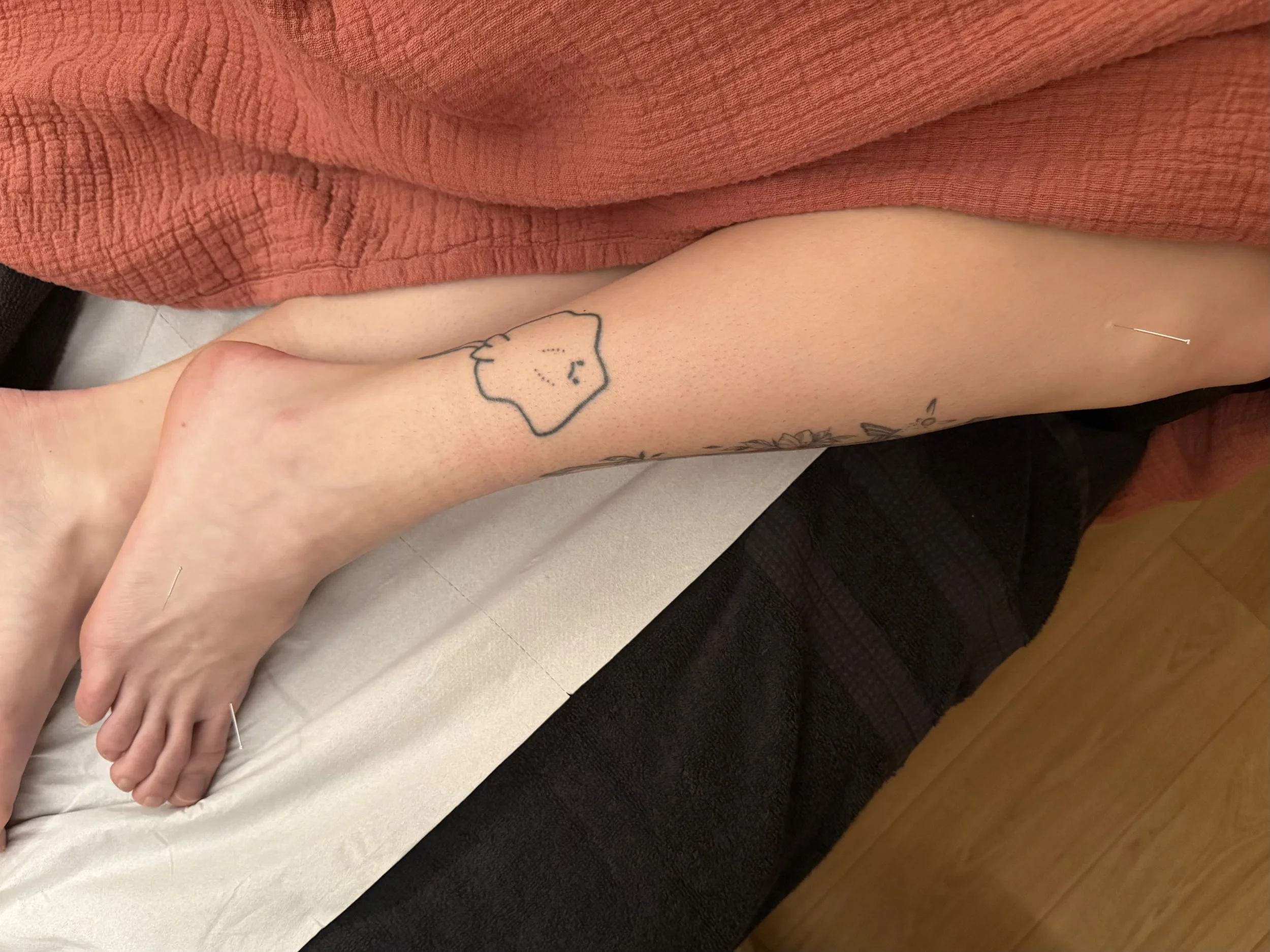
There’s a moment in the clinic that every practitioner experiences.
It’s the moment after the needles are in.
After the breath drops lower into the body.
And the question becomes:
Do I add more, or is this enough?
It’s tempting to equate intervention with effectiveness. More points. More stimulation. More corrections. As though change only happens when something is actively being done.
But I’m learning more and more that the body doesn’t work that way.
The body is a system constantly adapting, recalibrating and responding. It might not always need more input. Often, it needs space to integrate what has already begun.
Flexibility in practice, for me, isn’t constant variation. It isn’t endlessly changing point prescriptions to demonstrate responsiveness. It is the willingness to stay with what is working. To notice when a small shift is enough. To resist the urge to improve what is already integrating.
Sometimes I use fewer needles.
Sometimes I keep the same points from the previous session because that is what feels right.
Sometimes the most therapeutic decision is to leave the system undisturbed and allow it to reorganise itself.
As a student, while being examined, there was regularly a pull to overcomplicate a treatment to appear more sophisticated. There is a kind of restraint that is definitely learned.
Not hesitation, but discernment.
The difference between a body that needs stimulus and a body that needs consolidation is subtle. It lives in the pulse, in the quality of tissue, in the way someone exhales when they lie down.
Intensity can look impressive. It can feel productive. But intensity is not the same as progress.
Progress is quieter.
It could look like fewer spikes.
Faster recovery.
Less reactivity.
It looks like a nervous system that doesn’t have to brace so hard.
In seasonal language, this is the lesson of Wood as it matures.
Growth is not forcing, but responding.
In the clinic, I do my best to create those conditions, and then not interfere.
My learning curve this year has certainly been that doing less is not passive.
Doing less also requires attention.
It asks for trust. In the body, in the process, and in timing.
There is an art to knowing when something has already begun.
And sometimes the most skilled move is simply to let it continue.
My four ‘gate’ words for 2026 are a reminder of just this idea.
Trust.
Timing.
Little.
Often.
Less is more.